Overview
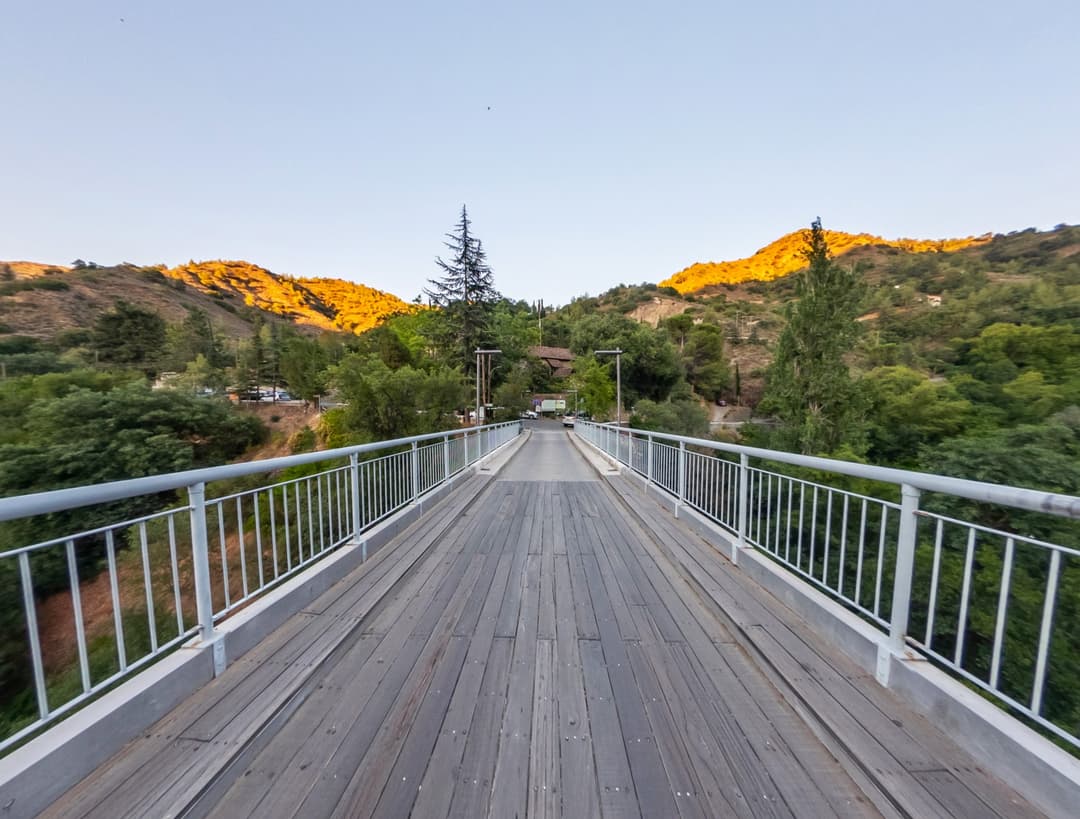
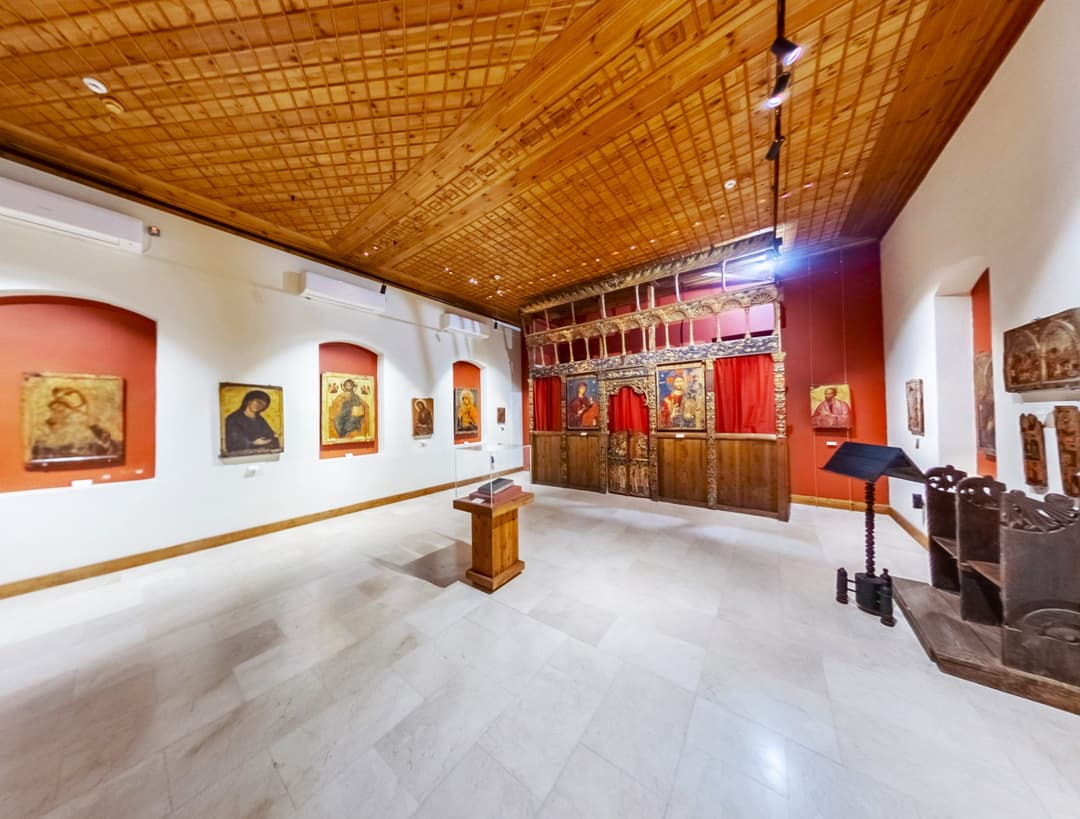
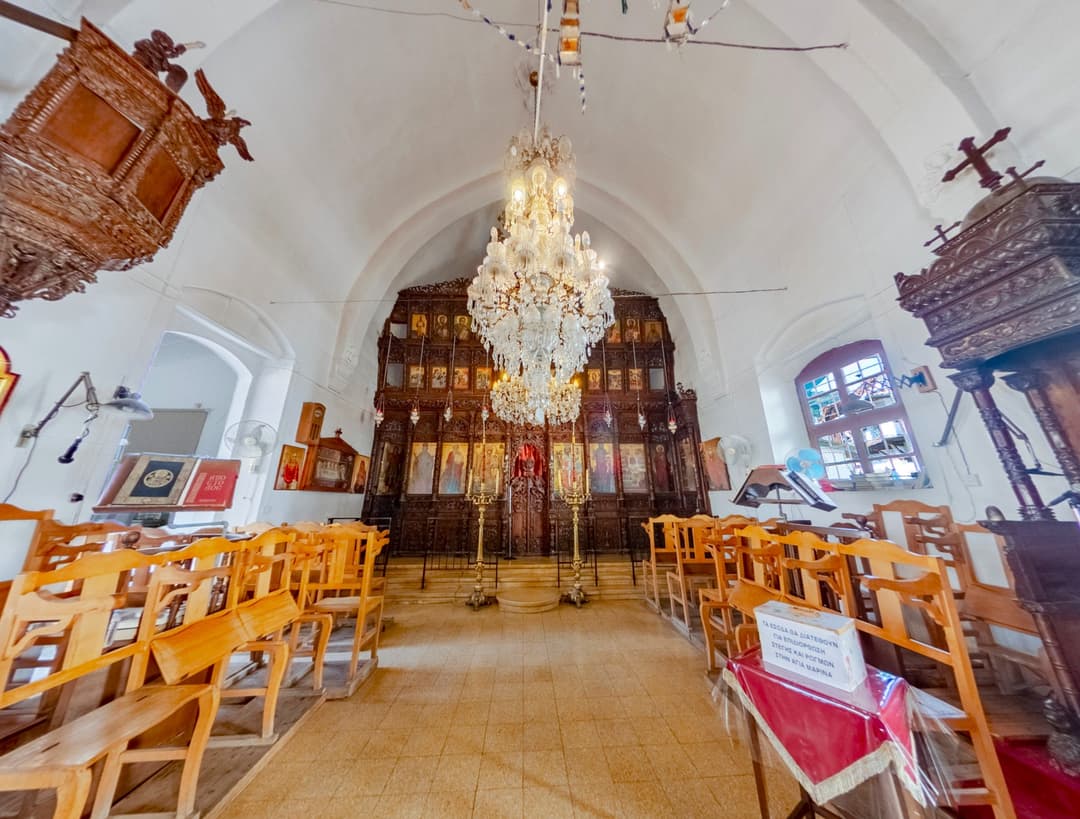
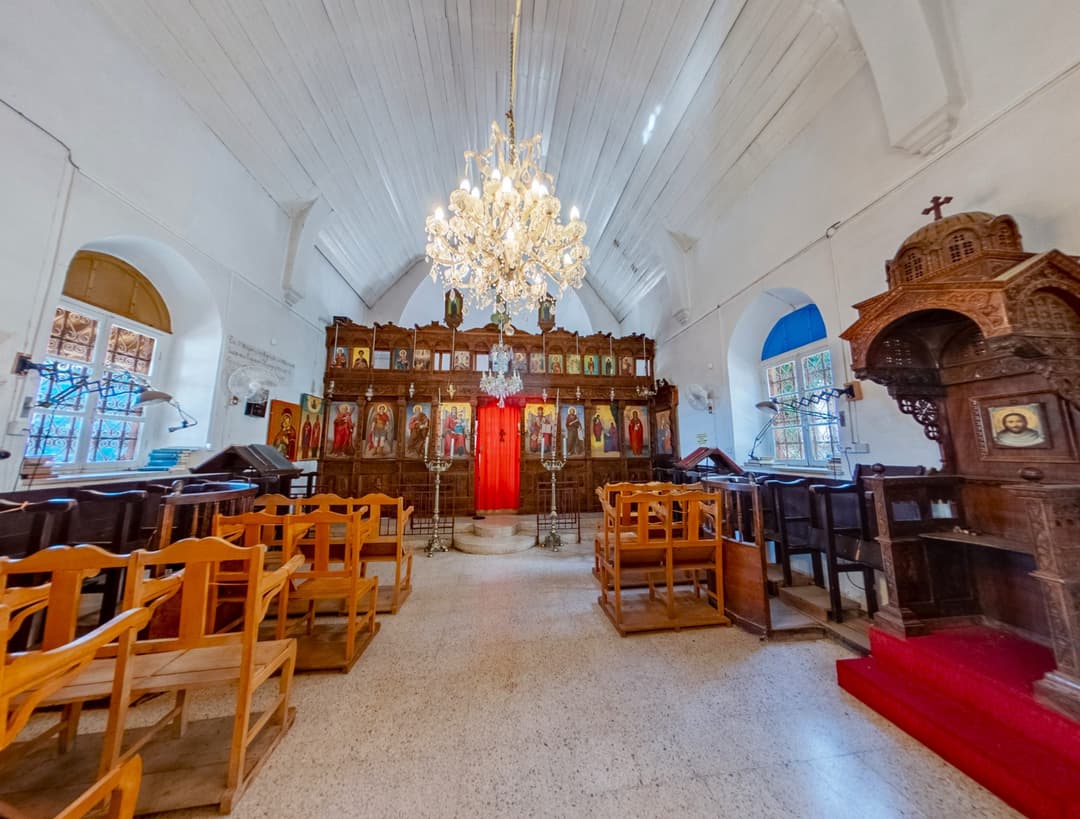
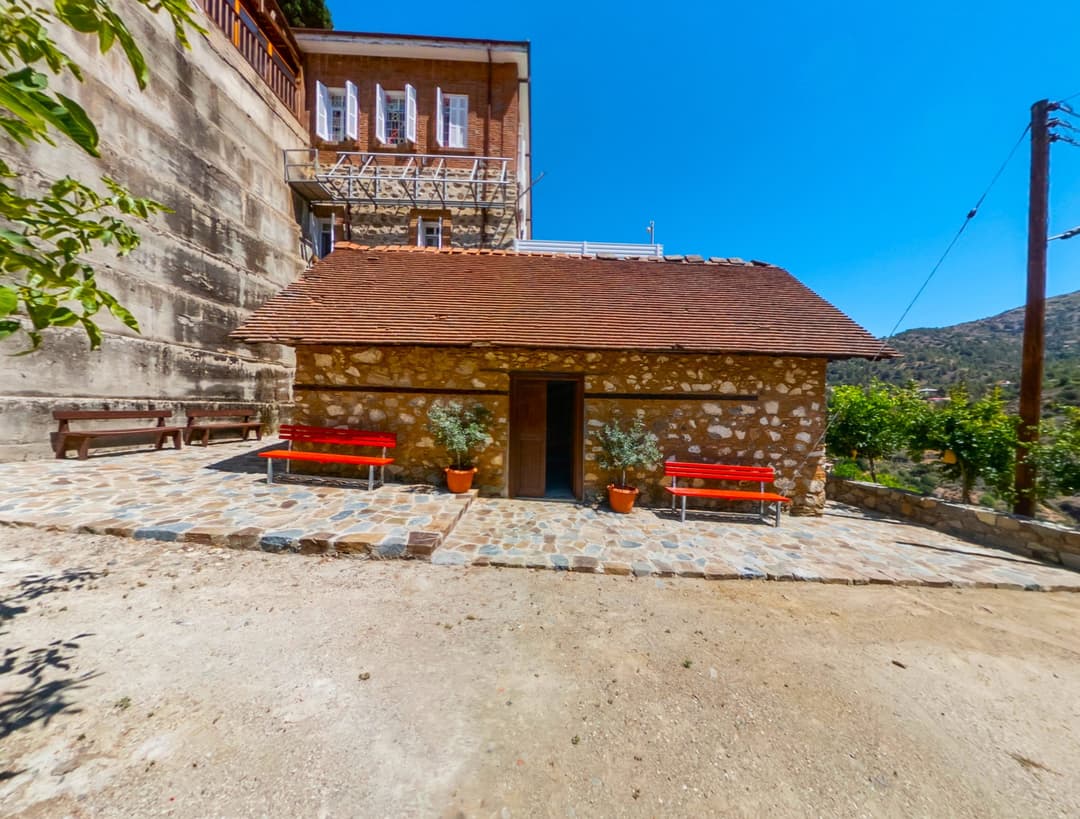
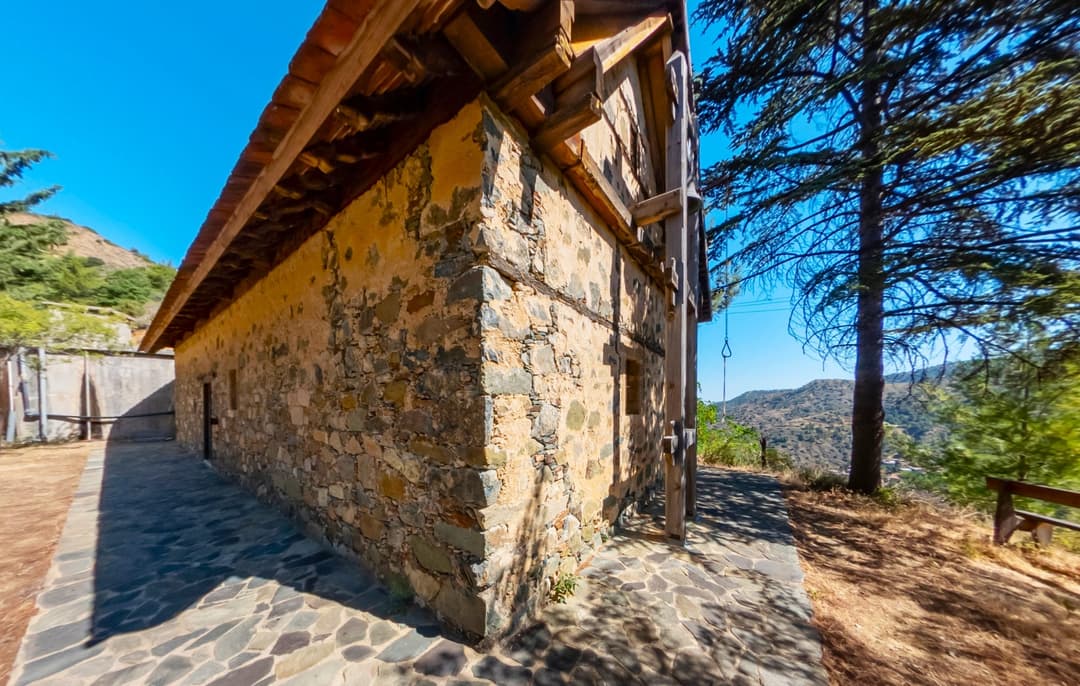
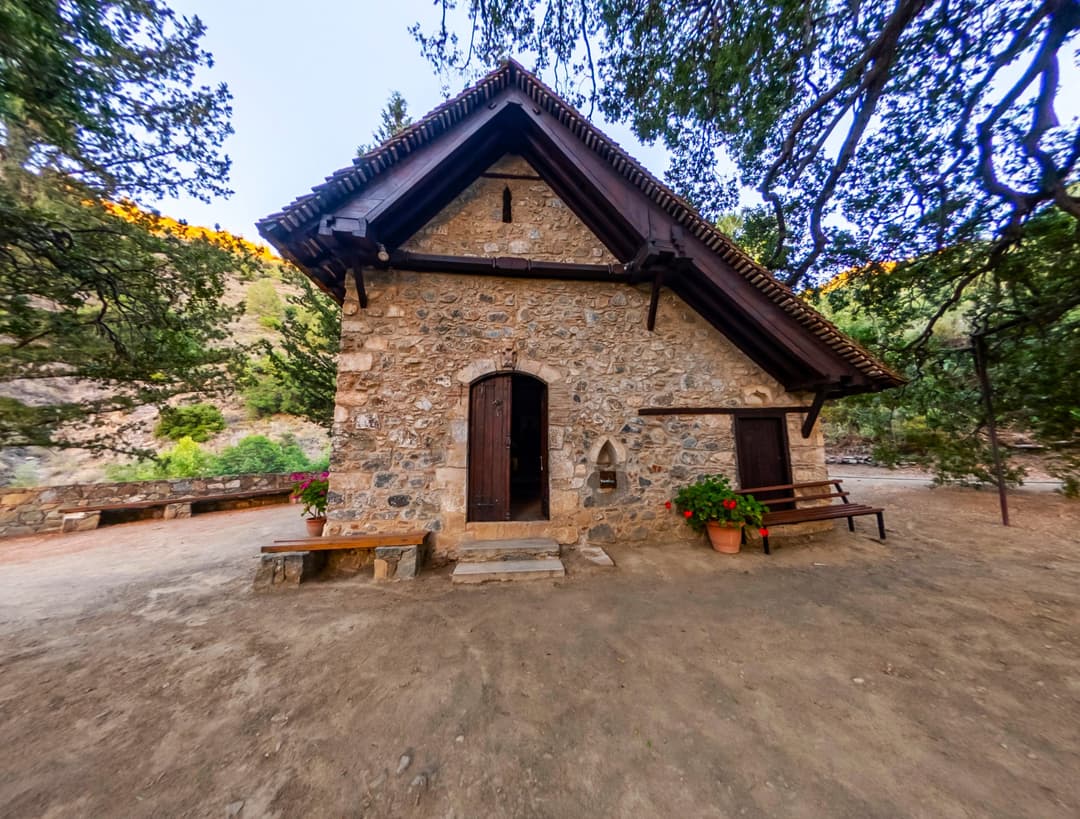
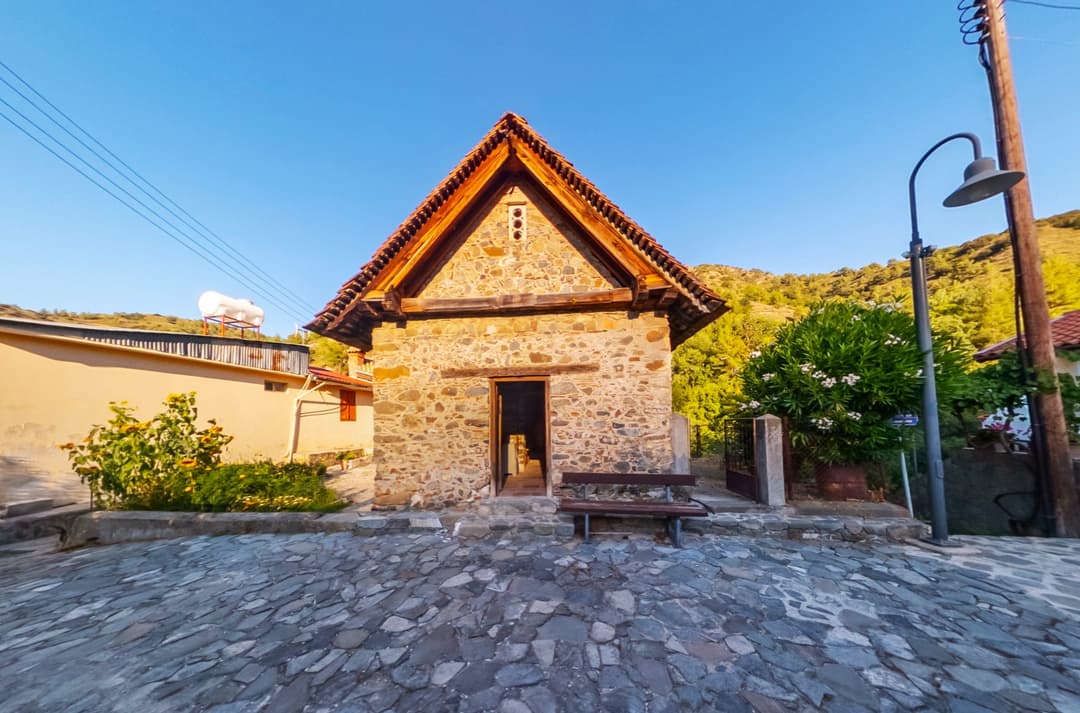
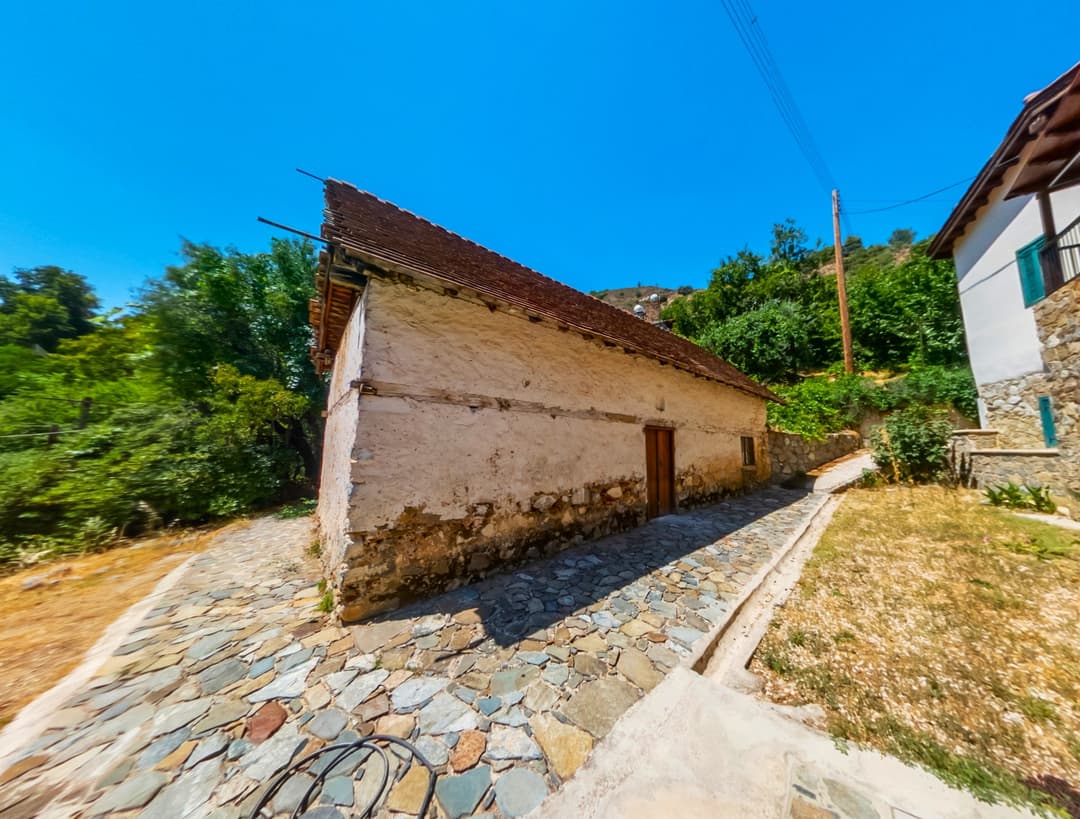
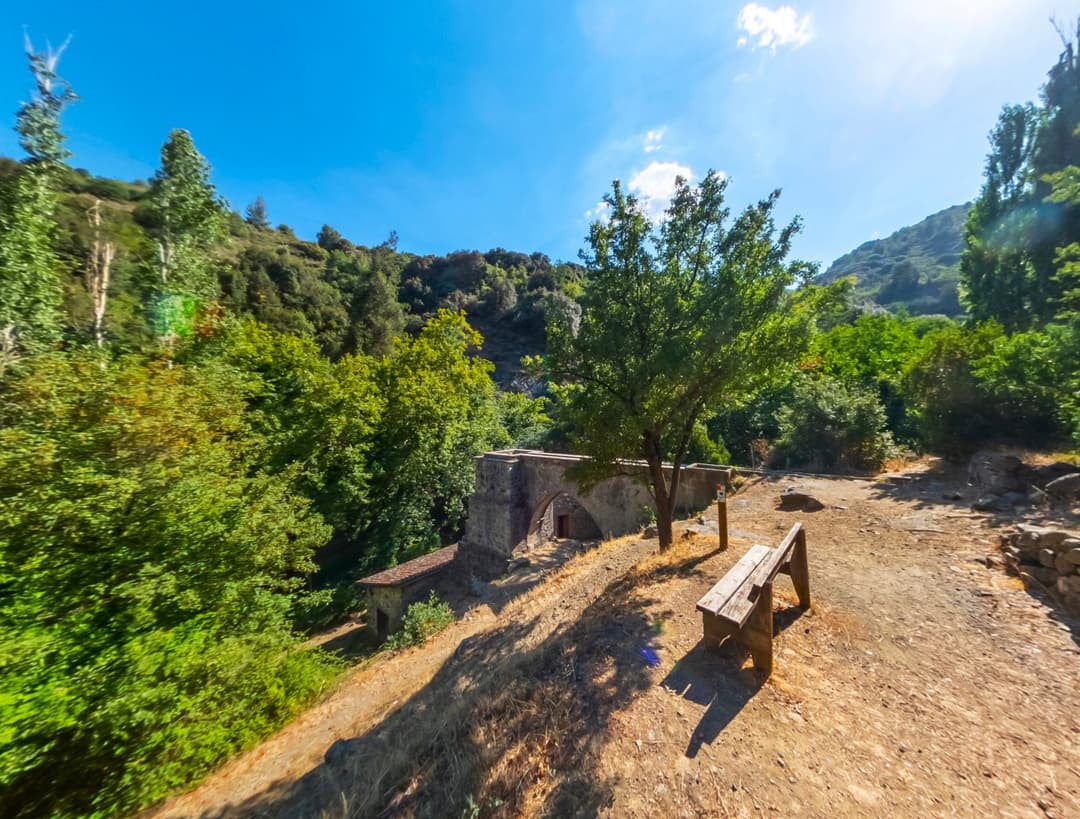
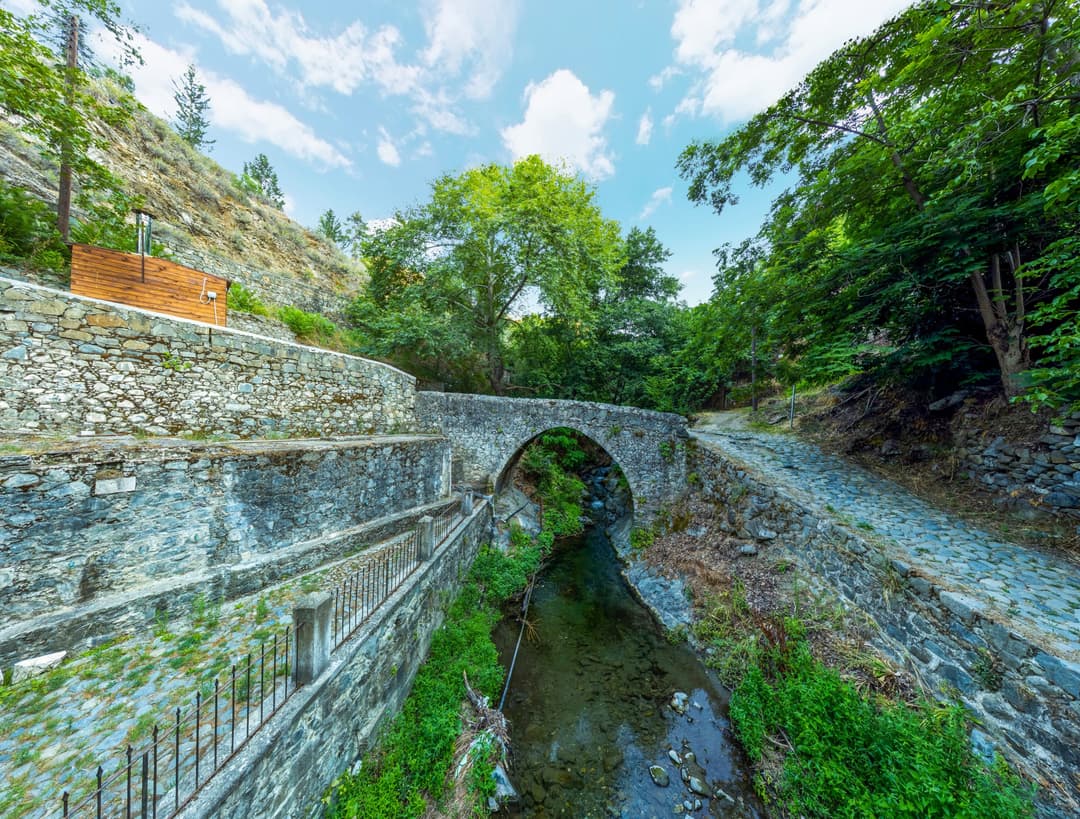
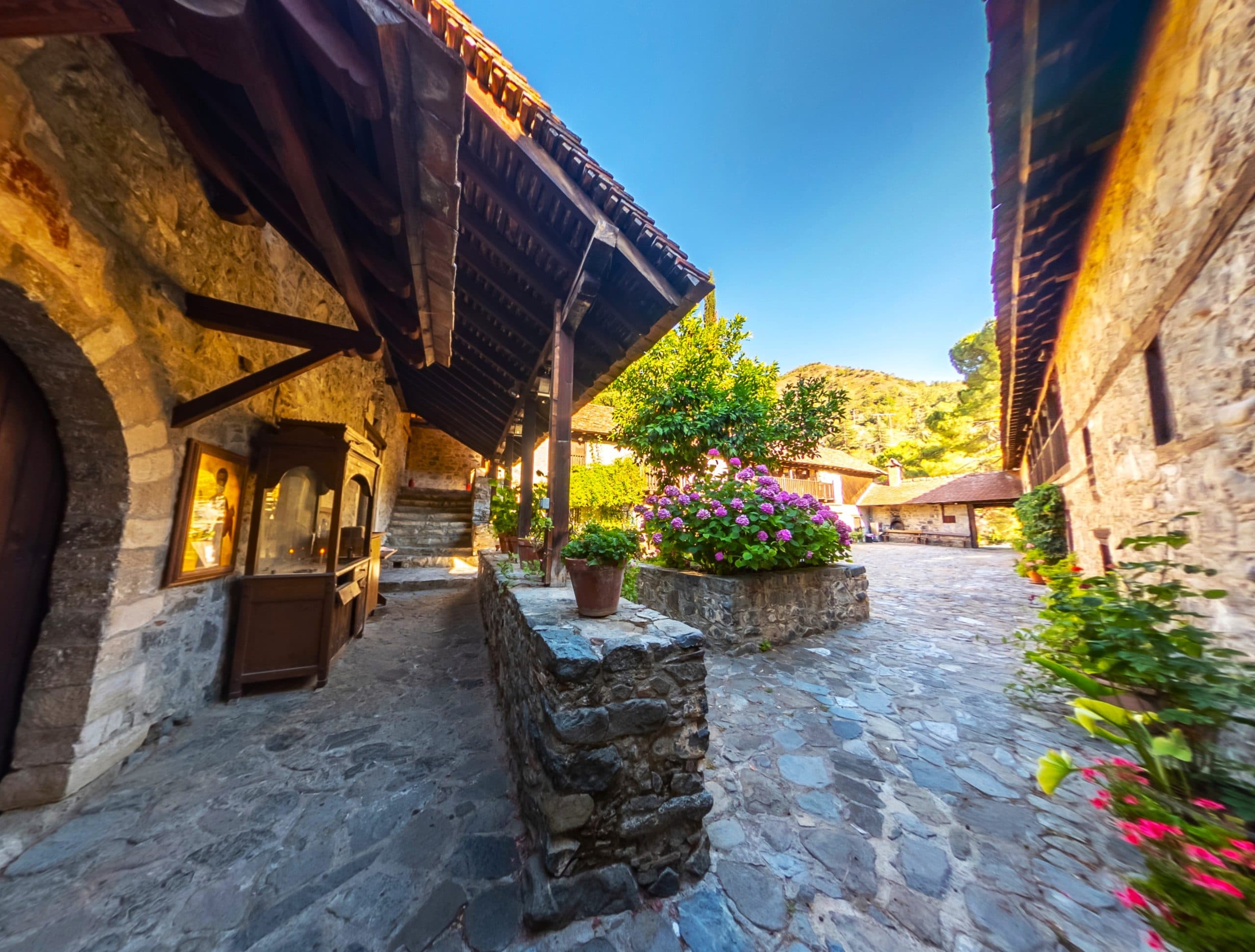
It is situated on the east side of the Setrachos river opposite the old village center. In 1985 UNESCO included the monastery together with eight other chapels on the Troodos range in the world heritage list. The monastery with its well preserved frescos, icons, wood carved doors etc is one of the most interesting byzantine sites of Cyprus and this together with the six other 13th – 17th century chapels rightly justify Kalopanayiotis being referred to as “the byzantine destination of Cyprus”. The Monastery of Agios Ioannis Lampadisti The church of the monastery came from the union of three churches: Agios Herakleides, Agios Ioannis Lampadistis and the church of Akathistos Himnos which was formerly a Latin chapel. In front of the south entrance of the Monastery church there is a large courtyard between two two-story monastic buildings. The original entrance to the monastery is located to the south and leads to the iconostasis (old primary school), the thermal springs and the Venetian bridge that formerly connected the village with the monastery and the rural area of Kalopanagiotis. "The church of the Monastery (excerpt from a speech by Ephrosyna Igoumenidou in August 1992) is a composition of various buildings belonging to different eras. The oldest building is to the south, the 11th century church of Agios Herakleides (first bishop of Tamasos and archbishop) with a plan of an inscribed cross. In the middle there is the newest arched church dedicated to the local Saint John Lampadistis. The two churches have a common narthex that was added at their western end around the middle of the 15th century, originally with a vaulted roof and today with a wooden roof. At the end of the 15th century belongs the high building to the north which was probably a Latin chapel. The entire structure is covered by a huge second protective roof with flat tiles. The monastic buildings on the south side have been repaired by the Department of Antiquities. Interesting elements here are the olive mill and the small grape press on the ground floor of the east wing. Important frescoes are preserved in the church buildings we mentioned. The antiquities, from the 11th century, were discovered by conservators of the Department of Antiquities in the arch of the church of Agios Herakleidis. They are covered by the famous composition of the 12th century that shows donating monks in a posture of adoration. From the series of frescoes of the 13th century in the same temple, it is worth mentioning the entry of Christ into Jerusalem, which is the best preserved. The second surviving series of frescoes (dated around 1400) is a unique composition of the Late Byzantine period even outside of Cyprus. It is the narrative cycle of scenes – more than 30 – of the New Testament. The church of Lampadistis was rebuilt at the beginning of the 18th century except for the North-East buttress and arch over the tomb of the Saint – where the cart is kept in a silver case. The original church was from the 12th century. The Russian Monk Basilios Barsky who visited the Monastery in 1735 informs us that at that time it had 10 monks. The narthex was built in the 15th century due to the large number of pilgrims who came to the miraculous Saint, and it was told with the usual narthex wall paintings: miracles of Christ, Second Coming, etc. According to an inscription, the painter had come from Constantinople, after the fall in 1453, but his style is more popular. The portraits of the donors are noteworthy. According to an inscription, the painter had come from Constantinople, after the fall in 1453, but his style is more popular. The portraits of the donors are noteworthy. In the so-called chapel of Akathistos Hymnos, the most complete series of Italo-Byzantine frescoes of the end of the 15th century, with Greek inscriptions, is preserved, combining elements of the classical Byzantine period and the Italian Renaissance in its most perfect expression. The main subject is the pictorial representation of the 24 houses of the Akathistos Hymn, in the lower parts of the arch and on the side walls. The Wizards scene is a true masterpiece. While the landscape remains Hellenistic Byzantine, the three-dimensional rendering of the Magi on horseback is reminiscent of Italian Florentine painting. The Greek painter should have been apprenticed in Italy.”